
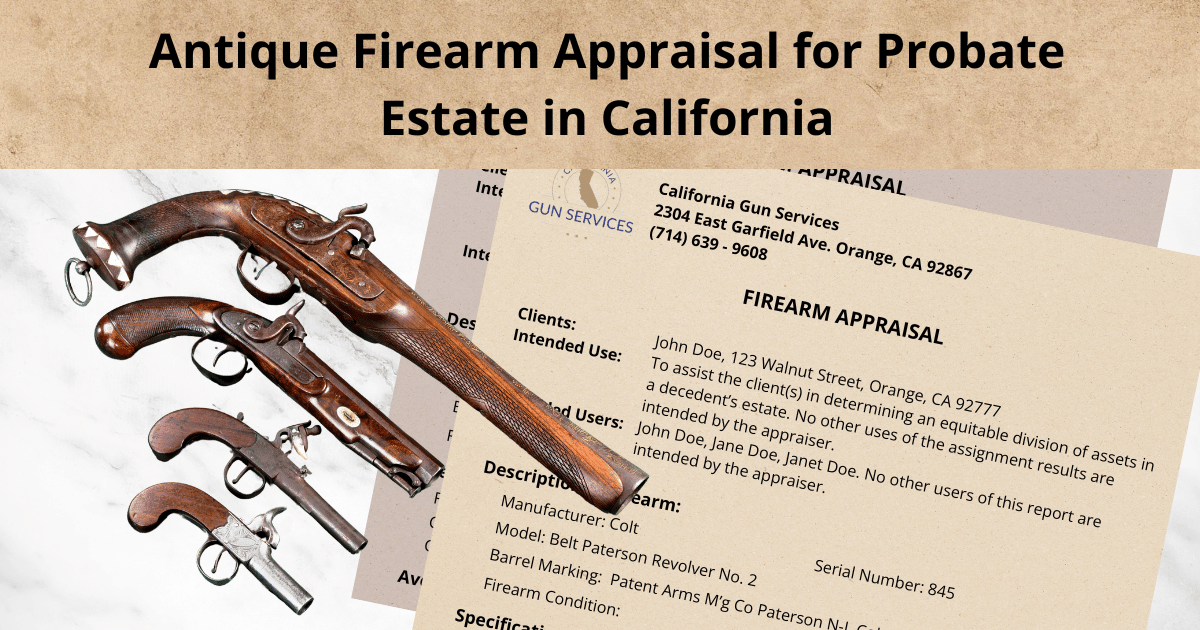
When a loved one passes away, leaving behind an estate with older firearms, understanding their value is crucial. These antique guns can significantly impact the estate's overall valuation. However, accurately assessing their value is complex, as older firearms vary widely in condition and worth. This is where a professional antique firearm appraisal becomes vital for probate estates in California.
When a loved one passes away, leaving behind an estate with older firearms, understanding their value is crucial. These antique guns can significantly impact the estate's overall valuation. However, accurately assessing their value is complex, as older firearms vary widely in condition and worth. This is where a professional antique firearm appraisal becomes vital for probate estates in California.
At California Gun Services, we specialize in antique firearm appraisals, whether for probate, estate settlement, or liquidation. We offer services for collections of any size, ensuring each piece is evaluated with the respect and the attention it deserves.
As the personal representative of a probate estate with potential antique firearms, your role is crucial in ensuring proper appraisal. This step is key for managing estate guns effectively and making informed decisions. It's important to approach this process with caution and due diligence. In this guide, we'll cover everything you need to know about antique gun appraisals for probate estate, including their process, choosing the right appraiser, and understanding the legal regulations involved.
Can you Guess what These antique firearms Sold For?
What's your guess? Hover to reveal.
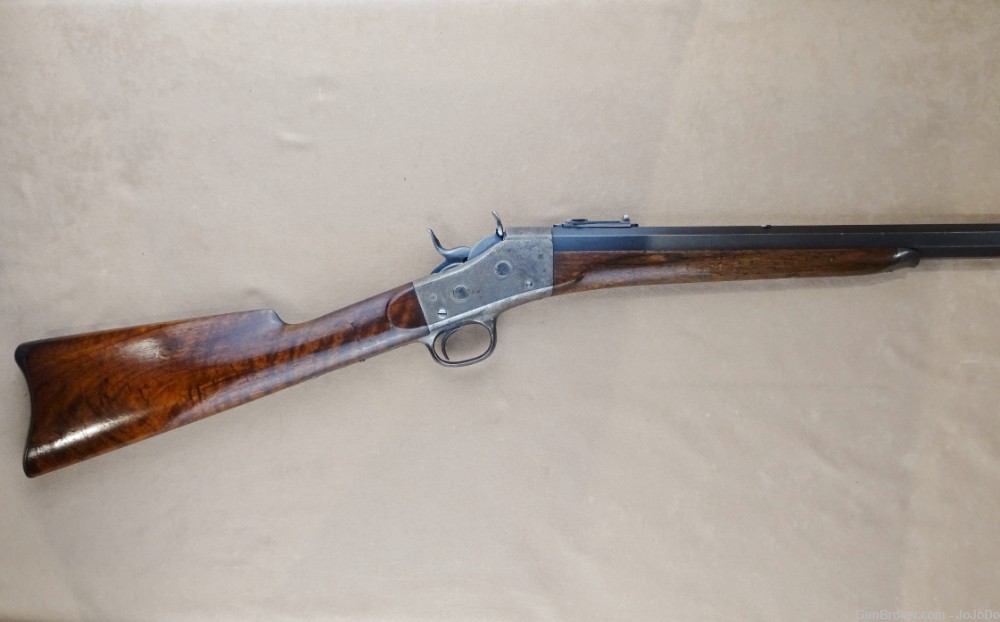
the price this sold for.
This firearm sold for over
$15,000

the price this for.
This firearm is worth
$25,000
Antique Firearm Appraisal In The Context Of Probate Estate
An antique firearm appraisal for a probate estate in California involves a detailed assessment by an independent expert to establish the fair market value of an older firearm at the time of the owner's death. It provides assurance to both you and the probate referee that the values listed on the estate's inventory and appraisal forms are accurate and fair. The appraisal not only assesses the value of an antique firearm, but also sheds light on its authenticity, historical significance, and compliance with California's legal standards. The written appraisal helps with properly identifying each antique gun, documenting important details such as its make, model, serial numbers, and identifying marks.
It's essential for executors to understand that managing firearms within an estate involves specific legal deadlines and requirements, which vary depending on the type of firearm. When an estate includes firearms, legal obligations may require prompt action. A common challenge I've encountered is that many people are unaware of these legal obligations, which can unintentionally lead to severe legal issues. An antique firearm appraisal guides executors in understanding the legal status and management responsibilities for estate guns.
Executor's Responsibilities In Antique Firearm Appraisal
As personal representative of a California probate estate that includes an antique firearm collection, you have a crucial role in ensuring accurate appraisal. Particularly, your responsibilities include:
- Arranging An Antique Firearm Appraisal: As part of inventory and appraisal for probate, you must get each antique firearm appraised for its fair market value at the time of death.
- Selecting An Indpendent Expert Qualified to Appraise Antique Firearms: Before arranging for appraisal, you must select an appropriate appraiser. Specifically, choose an appraiser who is independent (no vested interest in the estate) and has expertise in appraising antique firearms (not just antiques in general).
- Obtaining Timely Appraisals: The appraisal of antique guns can take time. Larger collections may require several weeks after the firearm inspection. To meet inventory & appraisal deadlines, it’s advisable to start the process as early as possible.
- Overseeing the Appraisal Process: Work with the appraiser, providing necessary information like the legal use of the appraisal, who will use it, and the valuation effective date (date of death).
- Providing Access to Firearms: The appraiser will need access to the location of the firearms for on-site inspections or detailed, high-quality pictures for online appraisals. You should also give the appraiser any documents of the firearm's history within your family.
- Record Keeping and Reporting: Make sure to keep the appraisal report, as you'll need to present it to the probate referee.
Selecting a Reputable Antique Firearm Appraiser
When handling an estate in California with antique firearms, selecting a qualified appraiser is crucial. According to California Probate Code §8904:
(Summary) A unique, artistic, unusual, or special item of tangible personal property (such as antique guns) that would otherwise be appraised by the probate referee may, at the election of the personal representative, be appraised by an independent expert qualified to appraise the item.
The term 'independent' here means the appraiser should have no bias or legal interest in the estate. For example, a beneficiary or executor of the estate should not conduct the appraisal. Additionally, the expert should possess specific experience in appraising antique firearms, not just general antiques. Expertise is typically developed through years of experience providing professional appraisals, supported by professional training or education. Executors often opt for a federal firearm dealer (FFL) to appraise an antique firearm collection. This choice aligns with the Uniform Standards of Professional Appraisal Practice (USPAP), which stress an appraiser's expertise in a particular type of property or asset.
Necessity of Specialized Appraisals for Antique Firearms in Estates
The appraisal of antique firearms in probate estates demands specialized knowledge and experience. The California probate code recognizes this, allowing personal representatives to elect independent expert appraisers for such items. This is crucial for various reasons:
- Potential High Value: Antique firearms can be significant assets within an estate, with some collections worth hundreds of thousands of dollars. In my experience appraising antique firearms throughout California, I've encountered pieces with values ranging from just a few hundred dollars to several thousand.
- Accurate Estate Valuation: The potential high value and wide variability in value of these unique items emphasizes the need for accurate appraisals to reflect the estate's true valuation.
- Complexity in Valuation: Expertise in historical context, condition, and market demand is essential for a precise valuation of these intricate items.
- Independent and Objective Valuation: An independent appraiser offers objective, defensible valuations, crucial for avoiding conflicts among beneficiaries.
- Legal Compliance and Classification: The legal status of antique firearms can be complex. Professional appraisal ensures compliance with state and federal laws, an essential aspect of responsible estate management.
The Role Of Independent Experts In Antique Firearm Appraisal
Appraising antique firearms is a field that requires more expertise than what a general antique appraiser offers. California acknowledges this by permitting the selection of independent expert appraisers. The importance of this expertise is clear for several reasons:
- Comparative Analysis: Appraising an antique firearm involves comparing it to similar items recently sold. However, antique firearms, each over a century old, are unique in their characteristics and histories. As such, experts must adjust for condition, rarity, and provenance. This task demands experience and insights into how each factor influences the value.
- Condition Assessment: The value of an antique firearm greatly depends on its condition, evaluated by analyzing and grading each component. Grading condition requires in-depth knowledge that can only be gained from extensive examination of numerous antique firearms.
- Changing Standards: The standards for 'Good' condition evolve over time. Appraisers must have expert knowledge of how a firearm stacks up against others from the same period. This nuanced understanding comes from continuous exposure to various antique firearms and their shifting conditions.
- Spotting Fakes: Antique firearm experts can easily spot replicas and fakes. They know common techniques and distinctive features that might elude those less versed in such items.
- Professional Network: Lastly, specialists in antique firearms often have a network of fellow experts. This network is crucial for thorough and accurate appraisals, drawing on a broad spectrum of expert opinions and data.
The Appraisal Process
California Gun Services offers a straightforward process for professional antique gun appraisals in the Orange County and Los Angeles area. This process includes 5 simple steps:
California Requirements for Antique Firearm Appraisal
For probate in California, appraisals of estate assets are regulated by state and federal laws.
Understanding Fair Market Value
The fair market value (FMV) of an antique firearm is a crucial metric in the collectors' market, representing the price it would reasonably command in the open market. It's defined as the price at which the firearm would change hands between a willing buyer and a willing seller, neither being under any compulsion to buy or sell and both having reasonable knowledge of all the relevant facts surrounding the item.
Condition Grading in Antique Firearm Appraisal
Professional expert appraisers of antique firearms conduct meticulous condition grading by evaluating each component of the firearm. This detailed process includes:
-
Originality and Modifications: Determining the extent of a firearm's originality is a key part of the condition assessment. Original parts and finishes are ideal and generally yield higher values. Appraisers identify any replacement parts or modifications, assessing how these alterations affect the firearm's value. A firearm with significant modifications or non-original parts may see a reduction in its valuation.
- Evaluating Metal Parts: Metal parts, including barrels, receivers, and triggers, are examined for their condition. Appraisers check for the type of finish, such as blued or nickel plating, and assess the percentage of the original finish remaining. Afterwards, they look for signs of rusting, pitting, or corrosion on metal surfaces. The condition of the remaining original finish, whether dulled or bright, and any signs of wear or marring, are crucial in determining the firearm's overall condition.
- Assessing Wooden Parts: The condition of wooden components, such as stocks and grips, is a critical aspect of an antique firearm appraisal. Appraisers inspect these parts for signs of refinishing, cracks, chips, or repairs. The quality and condition of the wood, including its originality and coloration, are carefully evaluated. The originality and integrity of these wooden parts are critical to the firearm's overall condition and value.
-
Originality and Modifications: A key part of the condition assessment is determining the extent of originality. Appraisers carefully identify any replacement parts or modifications, as these changes can affect the firearm's authenticity and, subsequently, its value. Original parts and finishes generally yield higher values, as they maintain the firearm's historical integrity.
